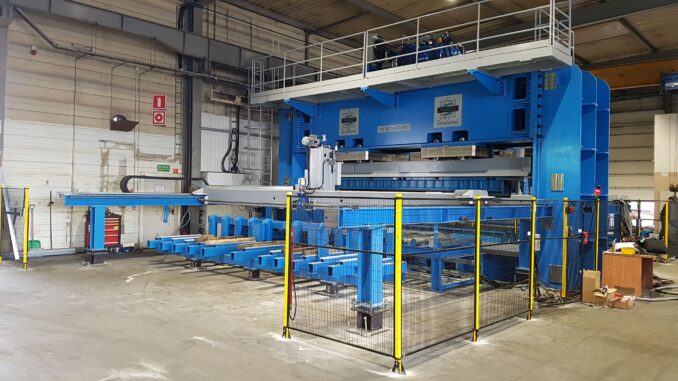
In the field of metal fabrication, the hydraulic bending press for precise and high-performance metal forming stands out as one of the most effective tools for shaping metal components. It delivers controlled force through hydraulic cylinders, allowing operators to form complex angles and curves with high accuracy. Whether for mass production or specialized one-off projects, this equipment is crucial in meeting the rigorous demands of today’s fabrication processes. Its reliability, versatility, and performance make it indispensable in modern manufacturing environments.
- Understanding the Mechanics of a Hydraulic Bending Press
- Where the Hydraulic Bending Press Excels in Industry
- Benefits of Using a Hydraulic Bending Press in Fabrication
- Key Features to Consider When Buying a Hydraulic Bending Press
- Safety Protocols and Best Practices for Hydraulic Bending Press Use
Understanding the Mechanics of a Hydraulic Bending Press
At its core, a hydraulic bending press uses hydraulic fluid under pressure to activate a ram, which pushes the metal sheet or plate into a die to form the desired shape. This system provides superior control over force and speed compared to traditional mechanical presses. Operators can fine-tune each parameter based on the material’s thickness, type, and the complexity of the bend. This precision makes the hydraulic bending press ideal for detailed tasks where tight tolerances are required, such as in aerospace or automotive component manufacturing.
The machine’s design often includes programmable features and adjustable stroke lengths to allow for repeatable operations, ensuring high-quality results across multiple production runs. Additionally, the flexibility of this system means it can adapt to various die configurations, expanding its use across different fabrication projects.
Where the Hydraulic Bending Press Excels in Industry
The hydraulic bending press finds applications in a wide range of industries due to its strength and adaptability. In the construction sector, it is used to form metal supports, reinforcements, and panels for structural frameworks. In heavy machinery manufacturing, the press bends large, thick steel components that require significant force without compromising accuracy. The HVAC industry uses it to shape ductwork and enclosures from lightweight sheet metal.
Its importance in the automotive sector cannot be overstated—manufacturers rely on the hydraulic bending press to produce parts such as brackets, mounting plates, and body panels with exact specifications. Even niche markets like furniture design and custom art installations take advantage of this machine’s capabilities, bending tubular steel and metal strips into smooth, artistic curves.
Benefits of Using a Hydraulic Bending Press in Fabrication
One of the most notable advantages of the hydraulic bending press is its ability to handle a diverse range of materials and thicknesses. Whether bending aluminum, stainless steel, or high-tensile alloys, it provides consistent pressure throughout the forming process, which minimizes the risk of distortion or material fatigue. The machine is capable of producing precise, repeatable bends even under high loads, making it suitable for high-volume manufacturing.
In addition to performance, these presses offer quieter operation and typically require less maintenance compared to mechanical systems. The reduced noise and smoother operation contribute to a more comfortable working environment. Many models also come equipped with digital interfaces and safety enhancements, streamlining operation and minimizing operator error. For companies seeking efficient, low-waste, high-precision bending capabilities, the hydraulic bending press delivers exceptional value.
Key Features to Consider When Buying a Hydraulic Bending Press
Choosing the right hydraulic bending press involves evaluating several technical factors to align with your operational needs. Tonnage capacity — the maximum force the machine can exert — should be matched to the thickness and type of materials you’ll process. Adjustable stroke length and back gauge positioning are also important features, especially for complex or multi-step bending operations.
Advanced models often include programmable logic controllers (PLCs) or CNC systems that allow for automation, memory storage of bending sequences, and real-time monitoring. These capabilities enhance productivity and reduce the risk of human error. Safety features such as light curtains, foot pedal control, and emergency shut-off systems should also be prioritized. A machine that balances power, precision, and safety will ensure both performance and long-term durability.
Safety Protocols and Best Practices for Hydraulic Bending Press Use
Proper operation of a hydraulic bending press requires strict adherence to safety standards and regular maintenance. Operators must be trained to understand load limits, recognize system warnings, and follow safe start-up and shut-down procedures. It is crucial to inspect hydraulic lines, seals, and pumps regularly to prevent leaks or pressure loss, which can compromise both safety and performance.
Best practices also include cleaning and lubricating moving parts, checking fluid levels, and calibrating the press at scheduled intervals. Personal protective equipment (PPE) and machine guards should always be in place. A proactive approach to safety and upkeep not only reduces downtime but also extends the lifespan of the machine while maintaining consistent production quality.
The hydraulic bending press continues to play a vital role in the evolution of precision metal fabrication. Its blend of power, accuracy, and adaptability makes it a go-to solution for manufacturers across a wide array of industries. From bending thick steel components in heavy-duty applications to shaping intricate metal parts in high-tech sectors, this machine delivers unmatched performance. Companies that invest in the right model, follow best practices, and prioritize safety will enjoy long-term benefits in both productivity and product quality.